Julian Stockwin
'…in Stockwin's hands, the sea story will continue to entrance readers across the world…'
Menu
Home
KyddNews
Kydd series
More books
Author
Contacts
Gallery
FAQs
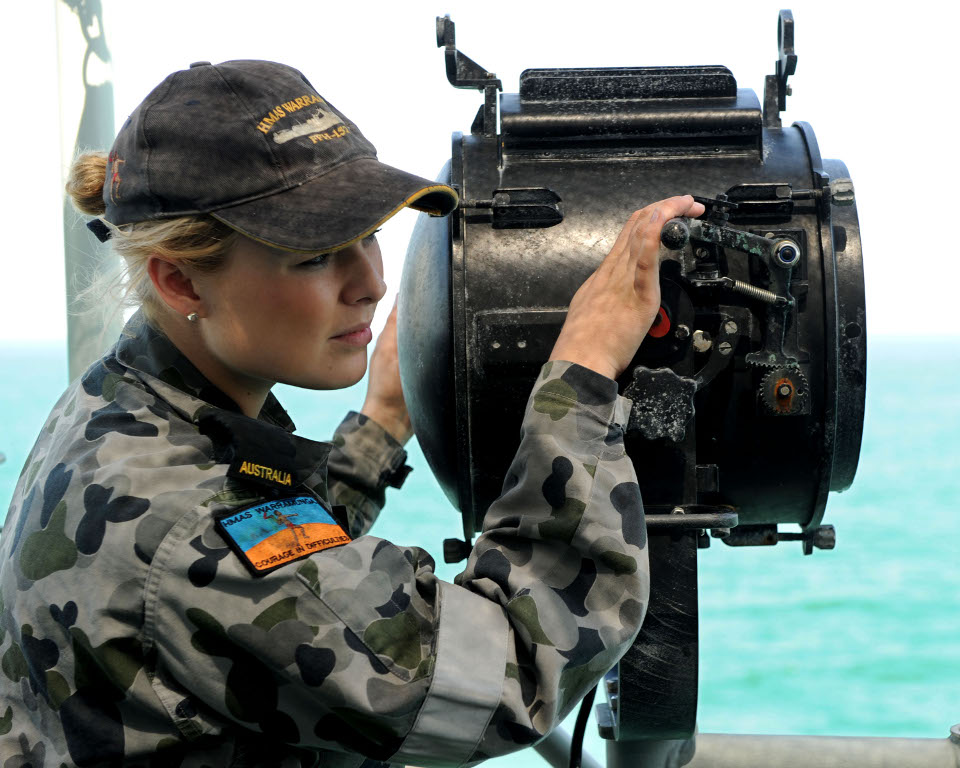
RAN signaller
Category:
←
And a Happy Birthday to the Royal Australian Navy!
Leave a comment
Cancel reply
Δ
This site uses Akismet to reduce spam.
Learn how your comment data is processed.
Tags for search
Adkins
Age of Fighting Sail
age of sail
animals
Antigua
BETRAYAL
Brest
Caribbean
CARIBBEE
China
Christian Rodska
COMMAND
Conquest
Constantinople
contest
Dardanelles
Denmark
Falmouth
flagship
Food
Fox
France
Geoff Hunt
Georgian England
Georgian Navy
guest blog
HMS Victory
Jane Austen
Kydd
Kydd cap
Kydd series
L'Aurore
Lavery
maritime history
Marius
music
Mutiny
Napoleon
national museum
Navy
Navy etiquette
Navy life
Nelson
Nelson’s coffin
Nicander
Pasha
Pitt
Polperro
Popham
Portsmouth
readers
reading
Renzi
Robert Squarebriggs
Royal Navy
Saumarez
seafaring
Seaflower
Sea poetry
ship-of-the-line
ship models
ships
South Africa
Stockwin’s Maritime Miscellany
tall ships
Tenacious
Tennyson
The Powder of Death
The Silk Tree
Trafalgar
Tyger
Van Diemen’s Land
Victory
Whole Story Audiobooks
world war II
Categories for search
Categories for search
Select Category
A writer’s life…
Ahoy!
Ask BigJules
BookPick
Contest
Feature
Georgian Age
Napoleon
On this day
Passport stamps
Reader of the Month
Salute to…
Silk Tree
Uncategorized
Latest BigJules Blog posts
BookPick: Summer Selection 2022
June 1, 2022
BookPick: New Year Selection 2022
January 29, 2022
Yuletide Selections II
December 15, 2021
Celebrating 20 Years of Thomas Kydd: Going Forward
November 14, 2021
Yuletide Selection 1
October 11, 2021
BookPick : Disaster and Survival at Sea
September 6, 2021
Celebrating 20 years of Thomas Kydd: Readers Have Their Say
August 18, 2021
BookPick : A Secret World
July 9, 2021
BookPick : Summer 2021
June 13, 2021
BookPick : May, 2021
May 4, 2021
BookPick : Spring 2021
April 8, 2021
THUNDERER: Coming Next!
March 30, 2021
BookPick : Winter 2021
February 15, 2021
Books for Santa’s Sack 2020
December 8, 2020
In Conversation with John Broomhead: Finding ‘Invincible’
November 6, 2020
BookPick: Winter Selection
October 9, 2020
Balkan Glory coming soon!
August 21, 2020
Bookpick: Naval Warfare in the Twentieth Century
July 14, 2020
BookPick: Summer Selection 2020
May 5, 2020
BookPick: The Senior Service
March 10, 2020
Balkan Glory: Collectors Set
February 28, 2020
Yuletide Selection II
December 11, 2019
Yuletide Selection I
November 28, 2019
BookPick: Autumn Selection
October 11, 2019
To The Eastern Seas ~ and Beyond
September 29, 2019
Bookpick : War at Sea
July 30, 2019
BookPick: A Summer Selection
June 18, 2019
To The Eastern Seas: Collectors Set
April 7, 2019
Spring Selection
March 28, 2019
BookPick: New Year Selections
January 18, 2019
Listen to any good books lately?
December 14, 2018
Bookpick: Seven Selections for Santa’s Sack
December 4, 2018
Four More Kydds!
November 27, 2018
BookPick: Salty Memoirs
October 12, 2018
Cover Story: A Sea of Gold
September 13, 2018
BookPick
August 11, 2018
A Sea of Gold Collectors Set
July 26, 2018
More Summer Selections!
June 29, 2018
Summer Selections
May 24, 2018
The Iberian Flame: Reader Reviewers Wanted!
April 24, 2018
Stockwin Titles: What’s Out When (updated)
March 30, 2018
Stockwin Titles: What’s Out When
March 30, 2018
BookPick: The Undersea World
March 16, 2018
BookPick: Four for February
February 23, 2018
The IBERIAN FLAME Collectors Set
February 6, 2018
BookPick: Winter Selection
January 15, 2018
Heave Ho for the Festive Season!
December 12, 2017
Books for Santa’s Sack 2017
November 14, 2017
Agamemnon: the Darch Model
October 10, 2017
BookPick: Seven September Selections
September 26, 2017
Search my blogs
Search
Comment
Subscribe
Subscribed
Julian Stockwin
Join 2,121 other subscribers
Sign me up
Already have a WordPress.com account?
Log in now.
Julian Stockwin
Subscribe
Subscribed
Sign up
Log in
Copy shortlink
Report this content
View post in Reader
Manage subscriptions
Collapse this bar

 Julian Stockwin